Wedding Reception Seating Plans: A Stress-Free UK Guide
A wedding reception seating plan is the strategic arrangement of your guests at dining tables to ensure social harmony and logistical efficiency throughout your wedding breakfast. Most couples dread this task because it feels like solving a complex puzzle involving human emotions, family history, and dietary requirements. However, approaching it with a logical framework can transform this source of stress into a manageable afternoon of planning.
How do I balance family dynamics at the reception?
You balance family dynamics by prioritising long-term peace over strict adherence to traditional etiquette rules that may no longer apply. Start by mapping out your 'must-sit' groups, such as the immediate family and the bridal party, before filling in the wider circles of friends and colleagues. It is perfectly acceptable to mix groups if you have friends who share similar hobbies, careers, or interests. Avoid putting 'difficult' personalities together unless they have a history of civil interactions. If you have a particularly delicate situation, consider placing those individuals at different ends of the room. A practical tip is to keep a 'buffer table' of extremely relaxed, friendly guests between any two groups that might have a history of friction.
How should I handle dietary requirements and table numbers?
You handle dietary requirements by colour-coding your master guest list before you ever begin placing names on your physical floor plan. Create a simple spreadsheet with columns for names, table numbers, and specific dietary needs like allergies or vegan requirements. Share this master document with your caterer or venue coordinator at least one month before the big day. When assigning tables, use a software tool or physical sticky notes on a scaled drawing of your room. Always confirm the exact maximum capacity of each table with your venue first. It is often better to have one slightly sparse table than to cram guests together at a table that is technically too small for the space. If you find yourself with an odd number of guests, don't worry about 'perfect' numbers. Most venues in the UK can accommodate flexible table sizes if you provide notice in advance.
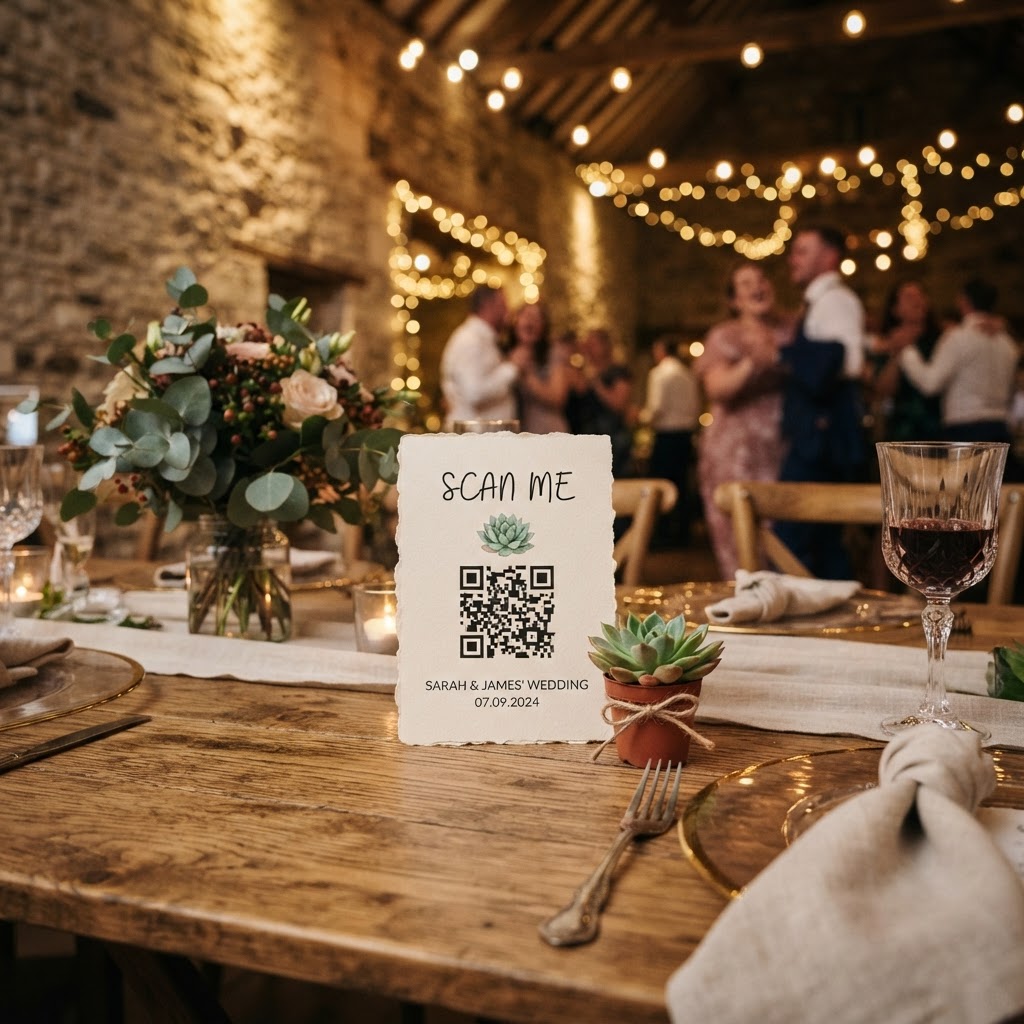
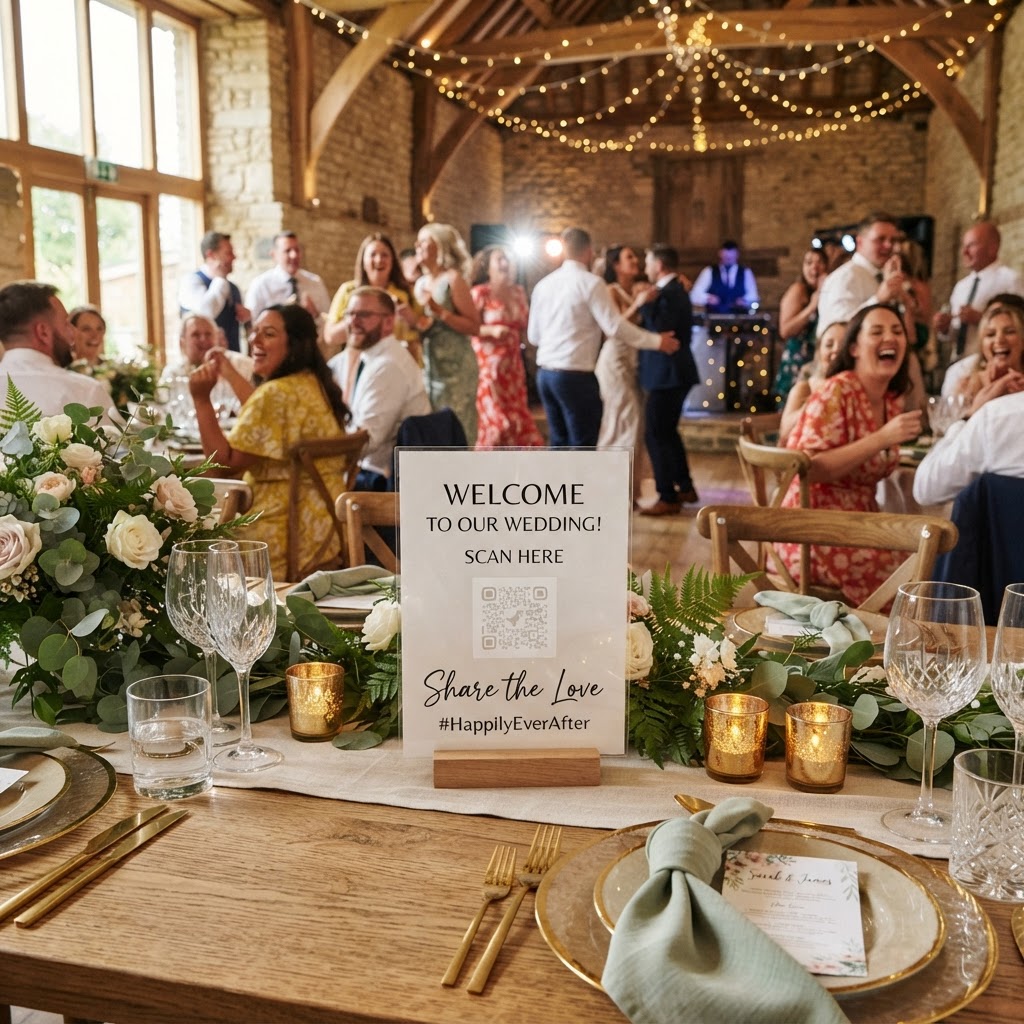
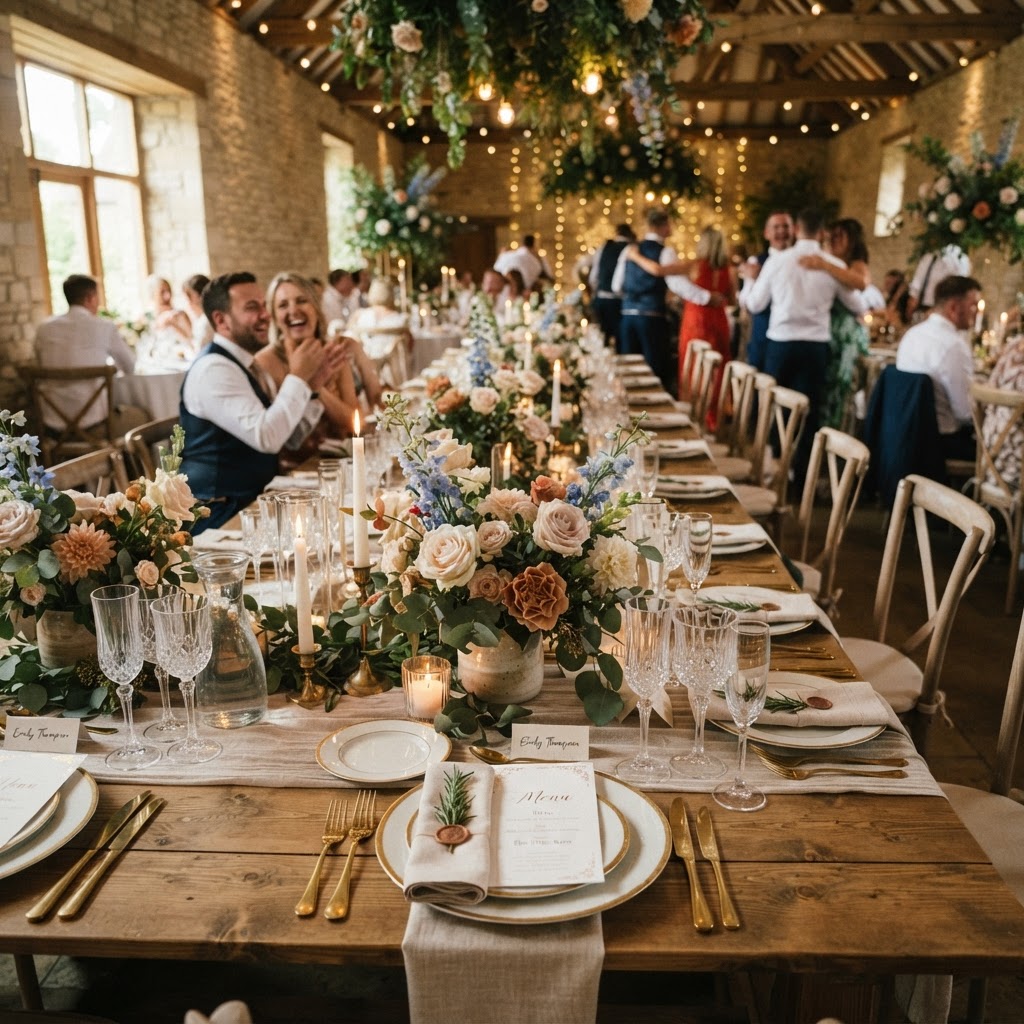
Beyond the logistical placement of guests, think about how you will help them find their seats once they enter the reception room. A well-organised table plan display near the entrance prevents a bottleneck of confused guests looking for their names. Ensure the names are printed in a clear, readable font size of at least 14 points. Some couples choose to display a QR code alongside their table plan that allows guests to easily access information about the day's events or upload photos if they are feeling camera-ready. Regardless of the method, keeping the display accessible and clearly visible ensures the transition from ceremony to meal is smooth and welcoming for everyone involved.
Should I group guests by age or by interest?
You should almost always group guests by interest because shared experiences foster better conversation than shared birth years ever will. Many couples make the mistake of creating an 'older guests' table, which often results in a quiet, isolated group that feels segregated from the main energy of the event. Instead, look for common ground. Do your university friends enjoy the same music as your cousins? Do your colleagues share a love for travel with your partner's high school friends? Use these threads to weave your tables together into a tapestry of compatible personalities. A good test is to ask yourself: 'Would these people comfortably spend three hours stuck in a lift together?' If the answer is yes, they will make a fantastic table. Remember that your primary goal is to create an environment where the energy remains high and guests feel comfortable from the first course to the final speech.